
New Mexico's "Do Not Text" laws ban texting, emails, and instant messaging while driving to combat distracted driving, a leading cause of accidents. Violators face strict penalties including fines and license suspension. Compliance emphasizes focus on road safety, with encouragement to enable Do Not Disturb modes and use hands-free communication.
New Mexico has implemented strict "Do Not Text" laws that encompass not just text messages, but also emails and instant messaging. This comprehensive guide explores these regulations in detail, helping you understand what's covered, potential penalties, and best practices for safe communication. By adhering to these rules, residents can contribute to safer roads and reduce the risk of devastating accidents caused by distracted driving.
Understanding New Mexico's Do Not Text Laws

In New Mexico, the "Do Not Text" laws are designed to promote road safety by restricting the use of mobile devices while driving. These laws encompass more than just texting; they include sending emails and engaging in instant messaging while behind the wheel. The primary goal is to prevent distracted driving, which can lead to severe accidents.
To comply with these regulations, drivers must ensure their devices are secure and not actively used during the operation of a vehicle. This means no typing, reading, or sending messages, emails, or instant notifications while driving. Enforcement of these laws is taken seriously, with potential fines and penalties for violators. Understanding and adhering to New Mexico's Do Not Text Laws is crucial for all drivers to ensure safety on the road and avoid legal consequences.
What Does the Law Cover: Emails and Messaging

The Do Not Text laws in New Mexico go beyond just text messages, encompassing a broader range of digital communication methods. This includes emails and instant messaging applications, ensuring that drivers maintain their focus on the road while reducing distractions from electronic devices. When it comes to emails and messages, the law prohibits sending or reading them while operating a vehicle. This means no checking your inbox or responding to urgent work emails during drive time—a change that encourages drivers to stay fully attentive behind the wheel.
These laws recognize the potential hazards of trying to manage digital communication while driving. By expanding the scope to include emails and messaging, New Mexico takes a comprehensive approach to road safety, aiming to minimize the risk of accidents caused by driver inattention.
Penalties and Fines for Violations

In New Mexico, violating the Do Not Text laws can result in severe penalties and fines. If caught sending or reading text messages while behind the wheel, drivers face significant consequences, including substantial monetary penalties and potential license suspension or revocation. These strict measures aim to deter distracted driving, ensuring road safety for all users.
The penalties are designed to be proportional to the severity of the offense. Repeated offenders may encounter even harsher sanctions, reflecting the state's commitment to enforcing responsible driving behaviors. Understanding these laws is crucial, as they not only protect public safety but also serve as a reminder to prioritize focus while operating motor vehicles.
Promoting Safe Communication Practices
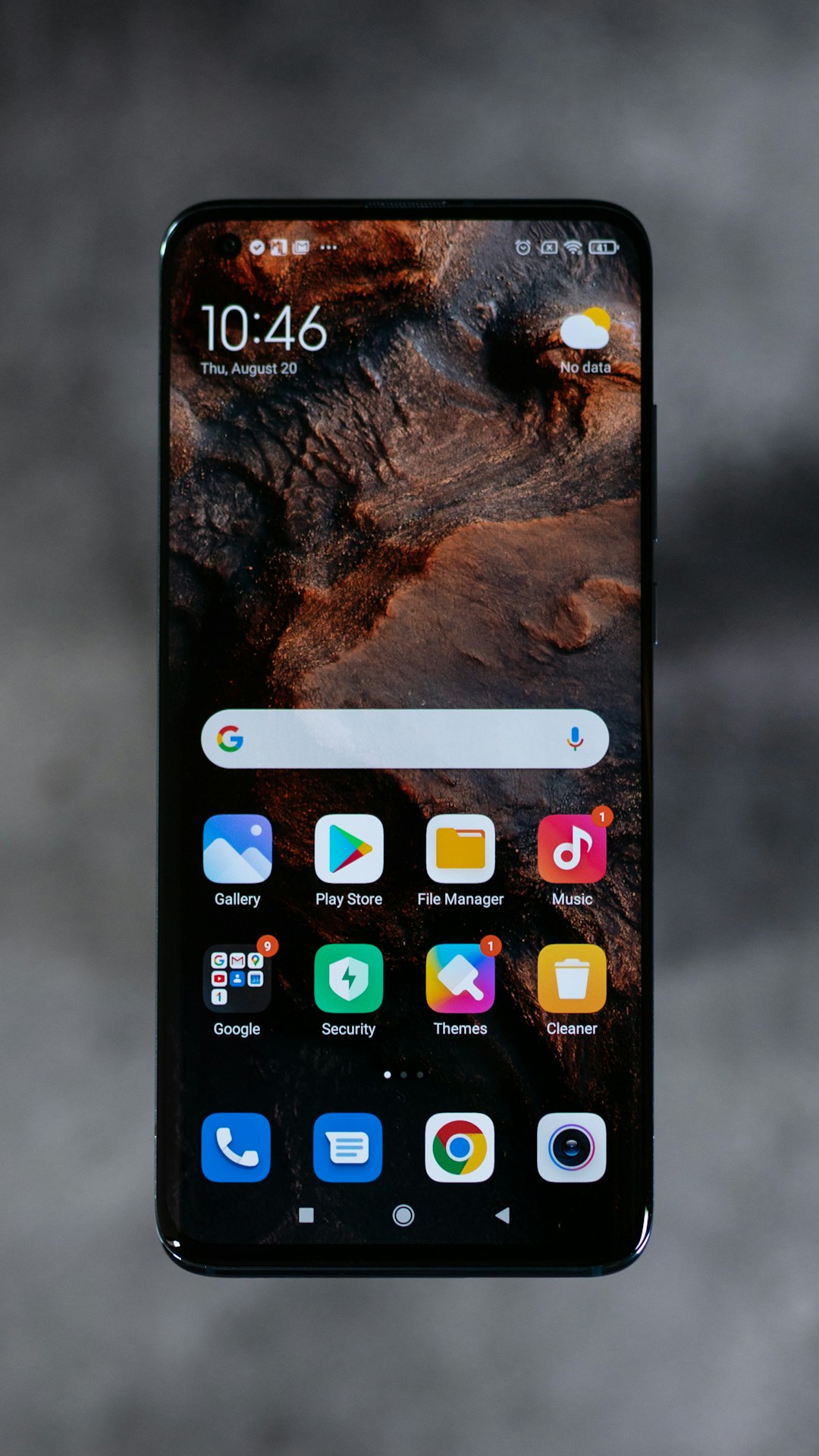
In New Mexico, promoting safe communication practices while driving is a shared responsibility. The state's "Do Not Text" laws extend beyond traditional texting to include email and instant messaging, emphasizing the dangers of distracted driving. These regulations aim to ensure that drivers maintain their full attention on the road, reducing the risk of accidents caused by non-essential digital interactions.
By adhering to these laws, New Mexico residents can contribute to a safer driving environment. It's crucial to remember that sending or reading texts, emails, or messages while behind the wheel is not only illegal but also highly risky. Drivers should enable safety features on their devices, such as Do Not Disturb modes, and consider hands-free options when necessary communication arises to minimize distractions and promote responsible digital citizenship.