
New Mexico's texting while driving laws, with exceptions for emergencies, promote public safety by allowing communication without legal repercussions. Key provisions include assisting law enforcement, natural disasters, and medical emergencies. Drivers must exercise judgment, using voice calls instead of texts to avoid network overload. "Do Not Text Lawyers New Mexico" urges awareness campaigns, planning ahead, and blocking unwanted communications post-emergency. Best practices ensure effective, respectful communication during crises while respecting privacy.
Texting while driving is a growing concern, and New Mexico has taken steps to address it with stringent laws. However, exceptions for emergency situations are crucial to ensuring public safety without unduly burdening responsible drivers. This article delves into the nuances of emergency use exceptions for texting laws in New Mexico, focusing on when Do Not Text Laws can be temporarily set aside. By examining real-world scenarios and legal precedents, we aim to provide a comprehensive guide that empowers drivers to make informed decisions, fostering a safer road environment.
Understanding Emergency Use Exceptions in New Mexico

In New Mexico, emergency use exceptions to texting while driving laws offer a nuanced approach to public safety. These exceptions are designed to facilitate communication during critical situations, allowing individuals to send or receive texts in emergencies without facing legal repercussions. This provision is particularly relevant considering New Mexico's varied terrain and potential for sudden, life-threatening events. For instance, a hiker encountering an unexpected hazard or a driver caught in extreme weather conditions may need to quickly connect with emergency services or loved ones.
Understanding these exceptions requires a careful balance between enabling crucial communication and ensuring road safety. Key provisions allow texts to be sent in situations where immediate danger is perceived, such as during natural disasters, medical emergencies, or when assisting law enforcement. However, the onus lies on drivers to exercise judgment; a simple text must not impede safe driving practices. For example, sending a quick message to confirm an emergency services location while fully stopped at the side of the road is permissible, but texting while actively navigating through heavy traffic or making sharp maneuvers is strictly prohibited.
To ensure compliance and promote responsible use, Do Not Text Lawyers New Mexico advocate for awareness campaigns that highlight the exceptions' purpose and limitations. Educational initiatives can empower drivers to make informed decisions, recognizing when a text is appropriate during an emergency. Data from recent studies suggest that while exceptions exist, their misuse may lead to increased accident rates, highlighting the importance of clear comprehension and adherence to these laws. Ultimately, understanding and practicing responsible texting habits in emergencies contribute to a safer New Mexico roadway environment.
Navigating Texting Laws: Do Not Text Lawyers New Mexico

In New Mexico, navigating texting laws, particularly when it comes to emergency use exceptions, requires a nuanced understanding. The state has implemented stringent regulations regarding text messaging while driving, with one notable exception: medical emergencies. However, even in these critical situations, drivers are advised to avoid texting unless it's absolutely necessary. The mandate extends to requesting legal advice, hence the crucial adage, Do Not Text Lawyers New Mexico. This approach is not just about adherence to the law; it's a safety measure designed to prevent accidents and ensure swift response times for emergencies.
For instance, during a medical emergency, a driver might need to contact paramedics or healthcare providers via text. But, they should refrain from simultaneously texting lawyers for advice. Such dual tasks increase reaction time and decrease focus on the immediate crisis at hand. Data suggests that distracted driving, including text messaging, contributes significantly to accidents, making it imperative to exercise caution.
Practical advice for navigating these laws involves planning ahead. Individuals facing non-emergency legal matters should keep a list of contact numbers readily available, including those of their attorneys. In an emergency, they can quickly access these contacts without resorting to texting. Remember, while New Mexico's laws allow for some flexibility in medical emergencies, the Do Not Text Lawyers New Mexico mantra underscores the priority of safety over immediate communication through text messages.
Key Takeaways for Safe Communication During Emergencies

In New Mexico, Do Not Text Lawyers laws have been implemented to ensure clear and safe communication during emergencies, prioritizing public safety over digital connectivity. The key takeaway for residents is to understand when and how to communicate effectively in critical situations, with a strong emphasis on avoiding distractions like texting. When an emergency arises, hands-free communication methods should be the default choice. This includes using voice calls, where possible, to ensure immediate and focused attention from emergency services.
For instance, during a natural disaster like a wildfire or severe storm, texting can overload communication networks, delaying vital responses. A simple text message may not convey the urgency of the situation, leading to potential miscommunication and delayed assistance. Alternatively, voice calls allow for direct access to dispatchers who can quickly assess the scenario and coordinate resources accordingly. Moreover, New Mexico's Do Not Text Lawyers initiative encourages citizens to prioritize local emergency services' efforts by minimizing non-essential communication during crises.
Practical advice for residents includes programming emergency contacts into their phones, ensuring quick access during emergencies. It is also crucial to familiarize yourself with local alert systems and sign up for community warning networks. By adopting these measures, New Mexico aims to foster a culture of responsible communication, where safety is the top priority. Residents should remember that timely and clear communication can significantly impact emergency response effectiveness, ultimately saving lives and minimizing damage.
Legal Implications and Best Practices Post-Emergency
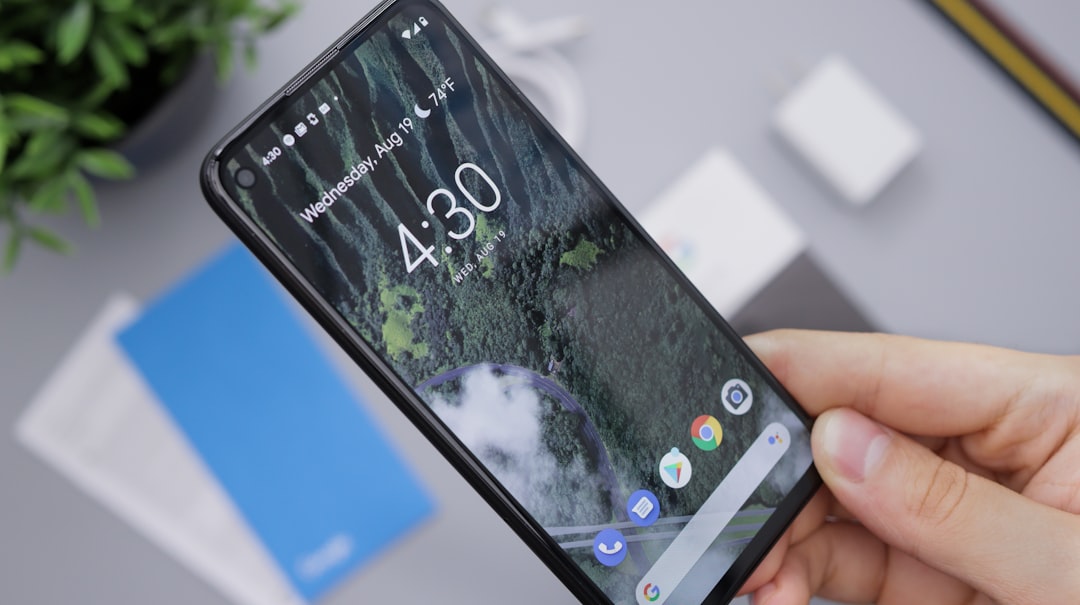
In the aftermath of an emergency, whether it's a natural disaster or a public health crisis, communication becomes critical for both coordination and individual safety. One notable aspect of modern emergency preparedness is the role of technology, particularly mobile devices. While these tools can be lifesavers in connecting people to essential services, they also introduce unique challenges, especially regarding privacy and legal implications. New Mexico's Do Not Text Lawyers law offers a compelling case study on balancing public safety with individual rights post-emergency.
The legal landscape surrounding emergency communication has evolved significantly. In New Mexico, the Do Not Text Lawyers act aims to protect individuals from unsolicited text messages promoting legal services during declared emergencies. This legislation reflects a growing awareness of how mass messaging can exacerbate chaos and anxiety in already stressful situations. The law empowers residents to prioritize their well-being by blocking unwanted communication, ensuring they receive only critical emergency information. However, the effective implementation of such laws requires best practices that respect individual autonomy while maintaining order.
Post-emergency, a robust strategy involves educating the public on opting out of non-essential communications. Residents should be empowered to set boundaries and avoid engaging with unsolicited messages, especially those offering legal services. For example, during recent floods in New Mexico, many residents found their phones inundated with promotional texts from law firms, which could have been distracting and confusing at a critical time. An effective best practice is to establish clear opt-out mechanisms, allowing individuals to register their preference for limited or no text communication during emergencies. This approach ensures that critical information reaches those who need it while respecting personal privacy.
Additionally, legal professionals must adhere to strict guidelines when reaching out to potential clients post-emergency. Implementing Do Not Text Lawyers New Mexico practices encourages responsible messaging, focusing on genuine assistance rather than aggressive marketing. By adopting these best practices, the legal community can contribute to a more resilient and informed citizenry, fostering trust and cooperation in the recovery process. This collaborative approach will ultimately enhance emergency response efforts by ensuring that communication remains effective, relevant, and respectful of individual rights.